Perfect Days
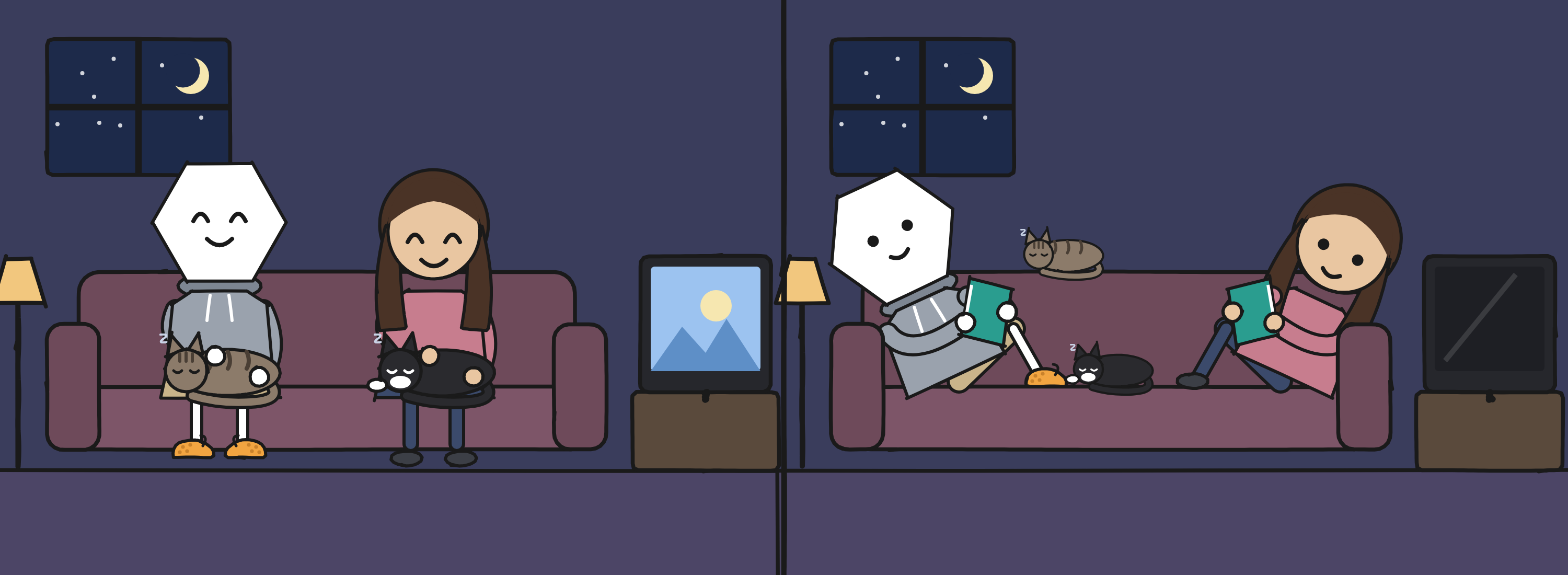
When we had no kids, the days were boringly simple, and almost always the same. I would wake up early, go to work, come back home, cook, and watch movies with my wife, cats on our laps. Life was slow. If I opened a book, I could actually sit there and enjoy it.
Those were the days just after Covid, and before the AI era. I even catch myself thinking they were some of the best days for people in general, not only for me. I’m not saying that because I didn’t have kids then. I’m saying it because we didn’t need to rush.
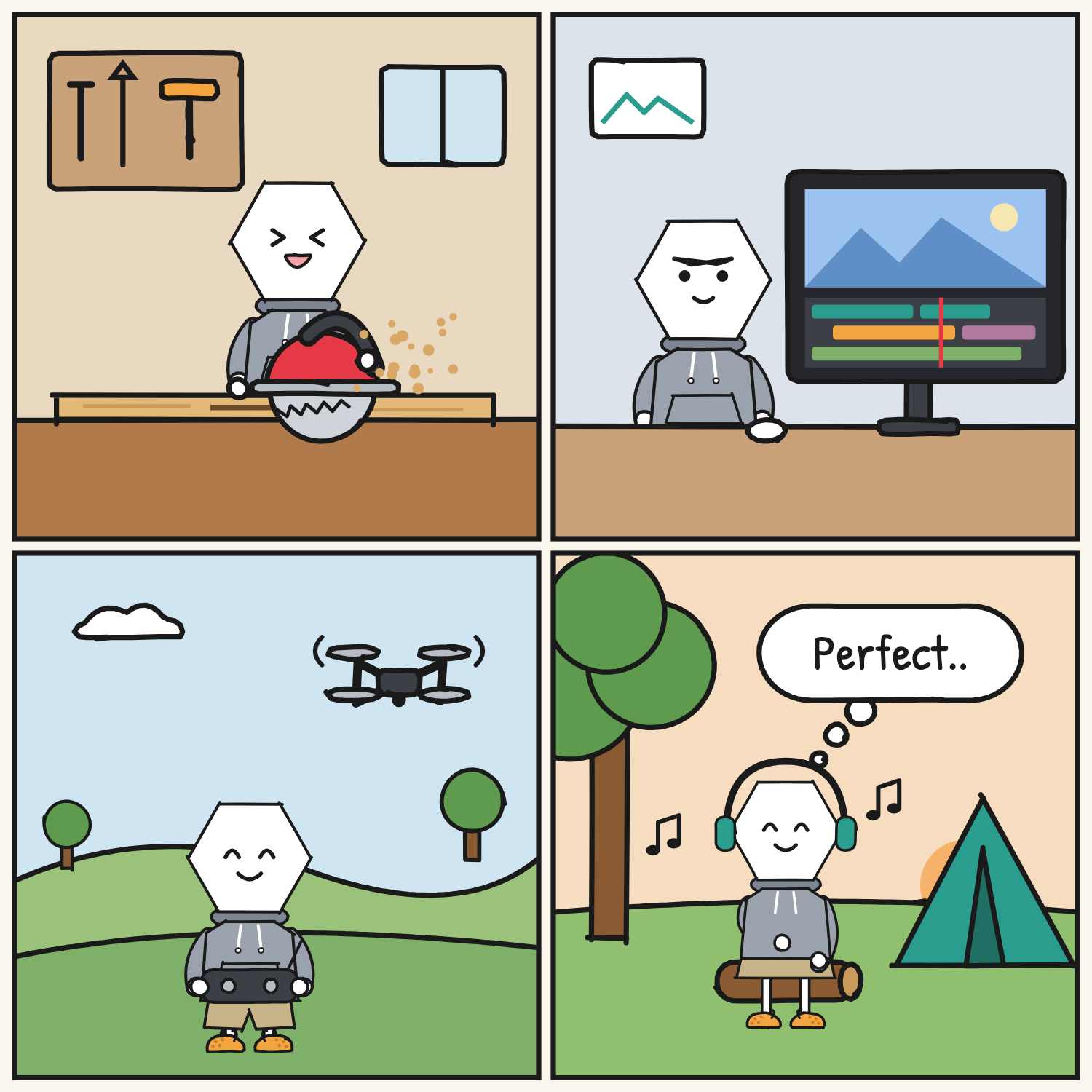
I had my niche things. Videography, photography, coffee, woodworking, camping, trekking. Back then, if you were into something, you had to do your own research and take your time with it. That was the important part. Time. Once you had it, what you chose to spend it on is what made you unique. That’s not really valid anymore.
Back then, I wasn’t lying in front of the TV, or wandering around shopping malls, like most people. I was making stuff. A video about one of our trips with my wife, editing, effects, the whole thing, and people actually paid attention to it. An open source library that solved a real problem. A wooden bookshelf I built at home. Those were the days I felt like myself. That’s what I call perfect days.
At the beginning of 2023 I was reading books that fit that life. Ikigai. Zen: The Art of Simple Living, by Shunmyō Masuno. Wabi-Sabi for Artists, Designers, Poets & Philosophers, by Leonard Koren. They introduced me to zen, to wabi-sabi, to paying attention to small details, and to not needing everything to be perfect.
Of course, things changed when our son Barış was born. I already wrote about that year in Recap of 2024 as a New Dad.
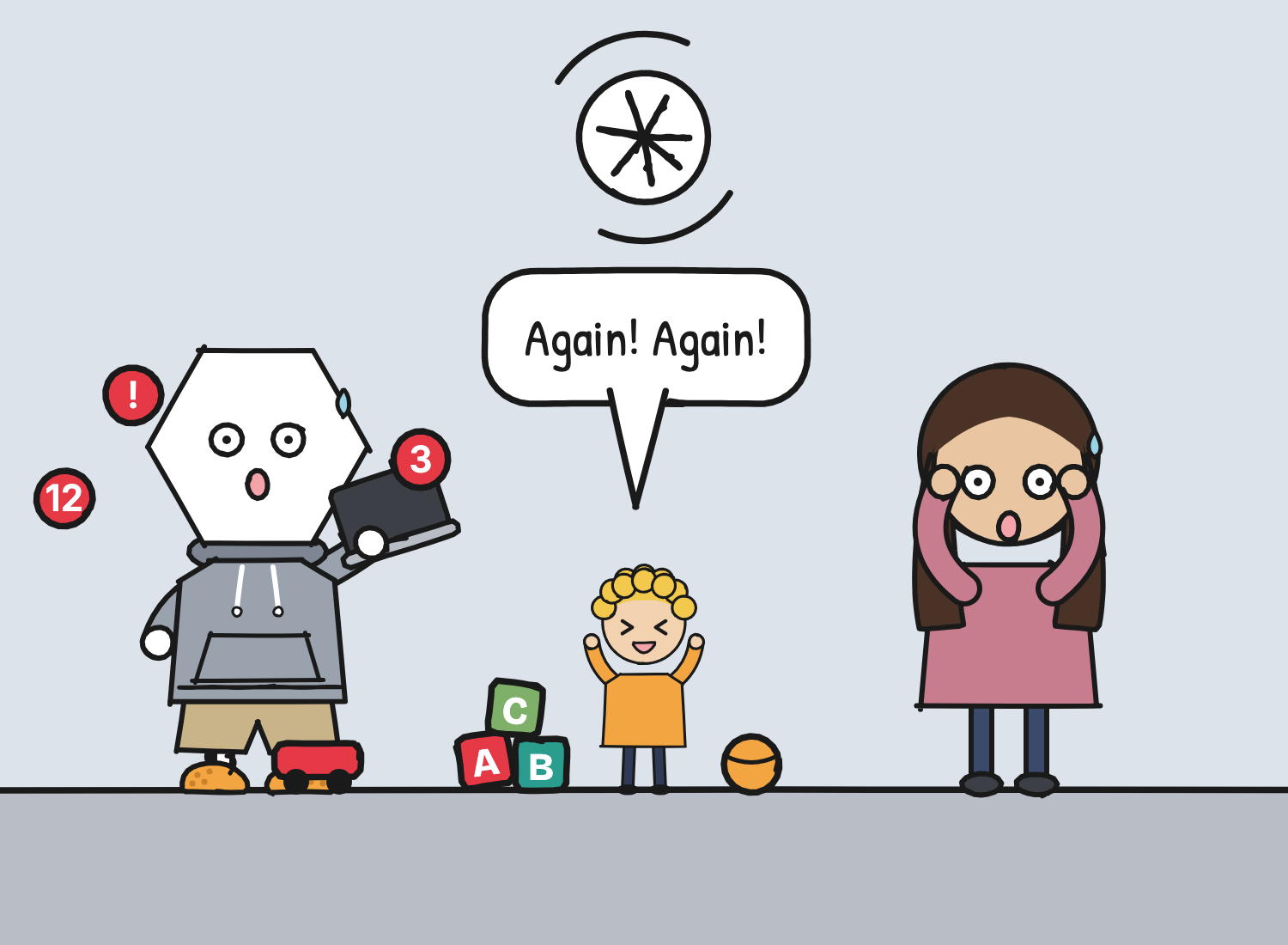
Life got fast. I was at my previous job, looking after our son, and there was not much time left for anything else. I felt stuck. Everything was rushing, and on the other side of the day, AI was suddenly everywhere. I love slowness, but that was gone.
I don’t even remember why, but one day I bumped into Mubi here in Turkey, signed up, and there it was on the homepage: Perfect Days. I had never heard of it. I was overwhelmed at work, and I thought maybe it would calm something down inside me, the way those five-hour videos of people walking through the Swiss countryside on YouTube do. So I started watching it. 30 April 2024, alone, at work, during lunch, a bit at a time.
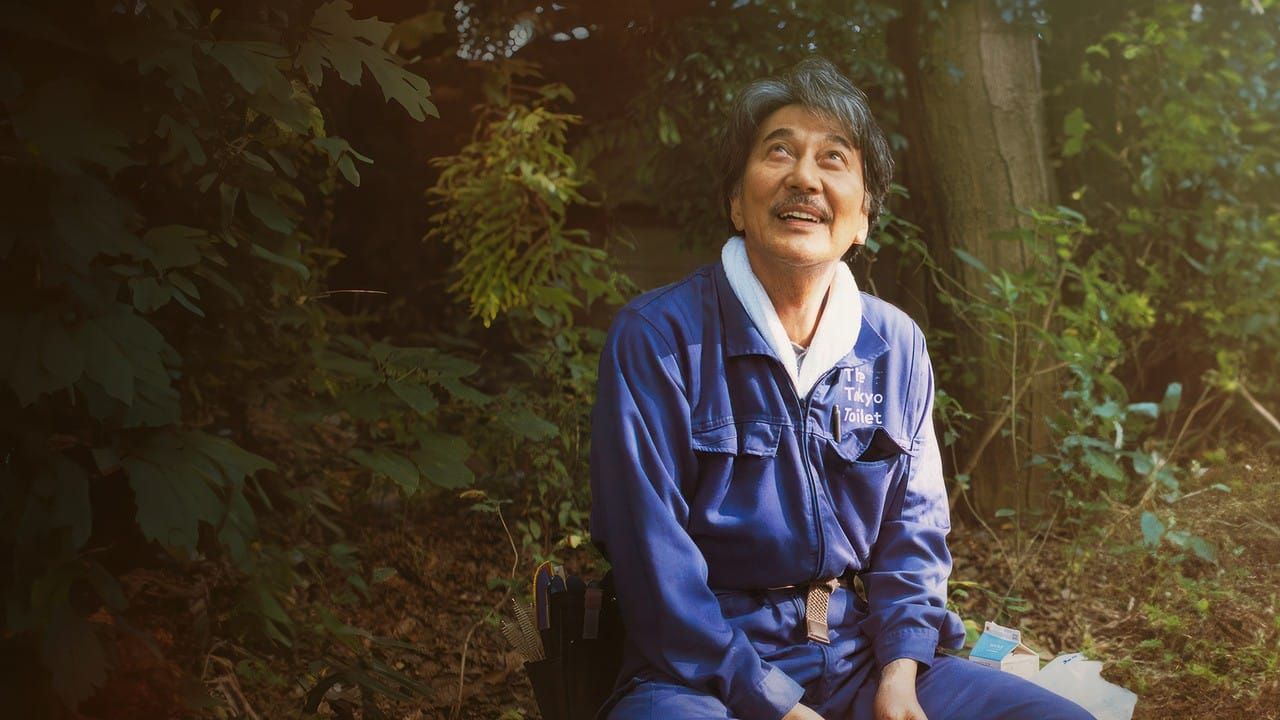
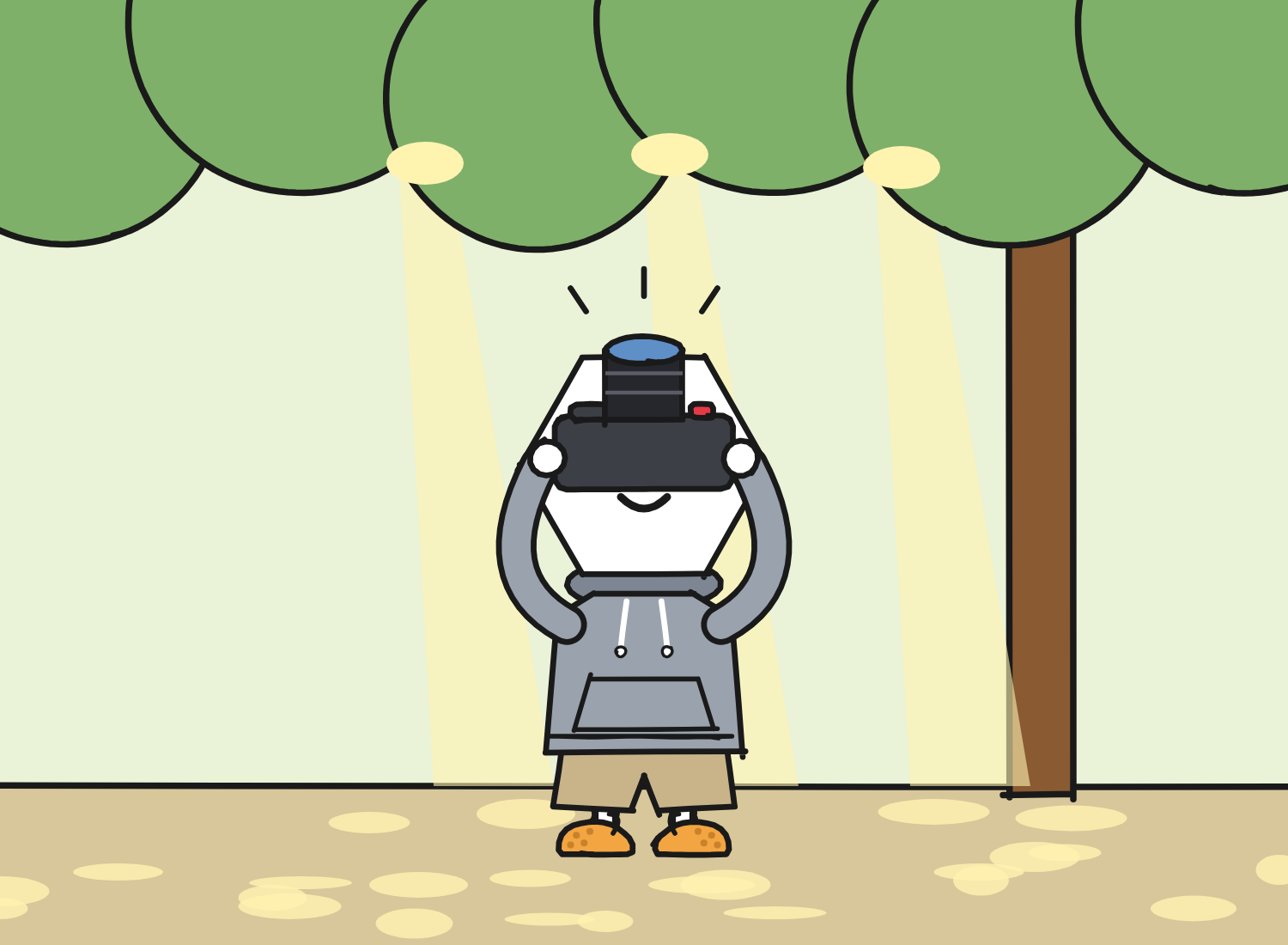
I’m not a movie critic, and I won’t try to be one here. It’s a film about a man, Hirayama, who cleans public toilets in Tokyo. He wakes before dawn to the sound of someone sweeping the street, waters his little plants, and smiles at the sky on his way out. He plays cassette tapes in his van, reads paperbacks at night, and every lunch he photographs the same tree, just the light coming through the leaves, what the Japanese call komorebi. That’s most of what you need to know.
It did ease something. When it was over, I wanted other people to see it too. I started suggesting it to colleagues. None of them were very interested in sitting through a film about a man cleaning toilets for two hours, which, fair enough, is a hard sell at lunch. I still think they missed a good one.
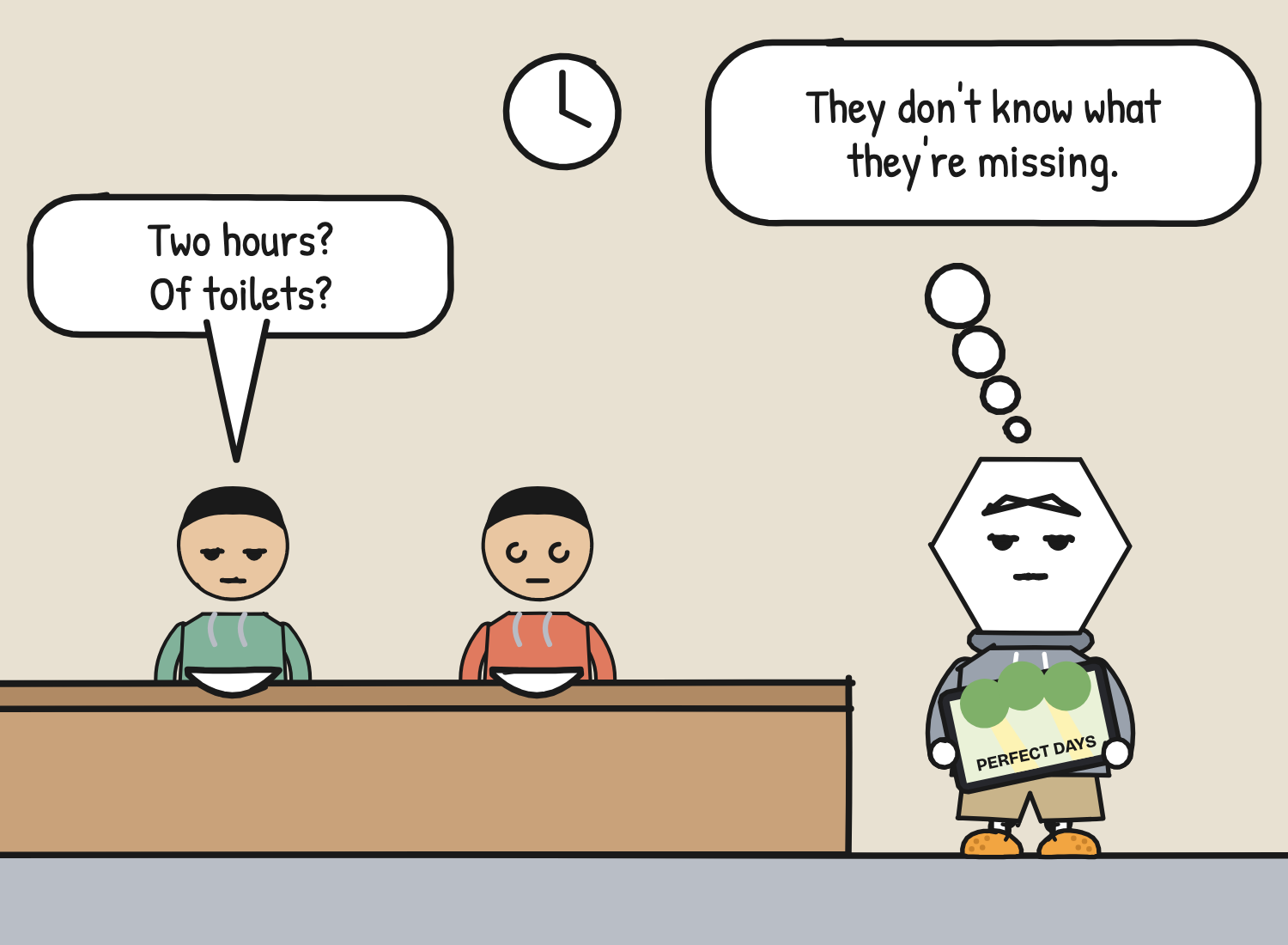
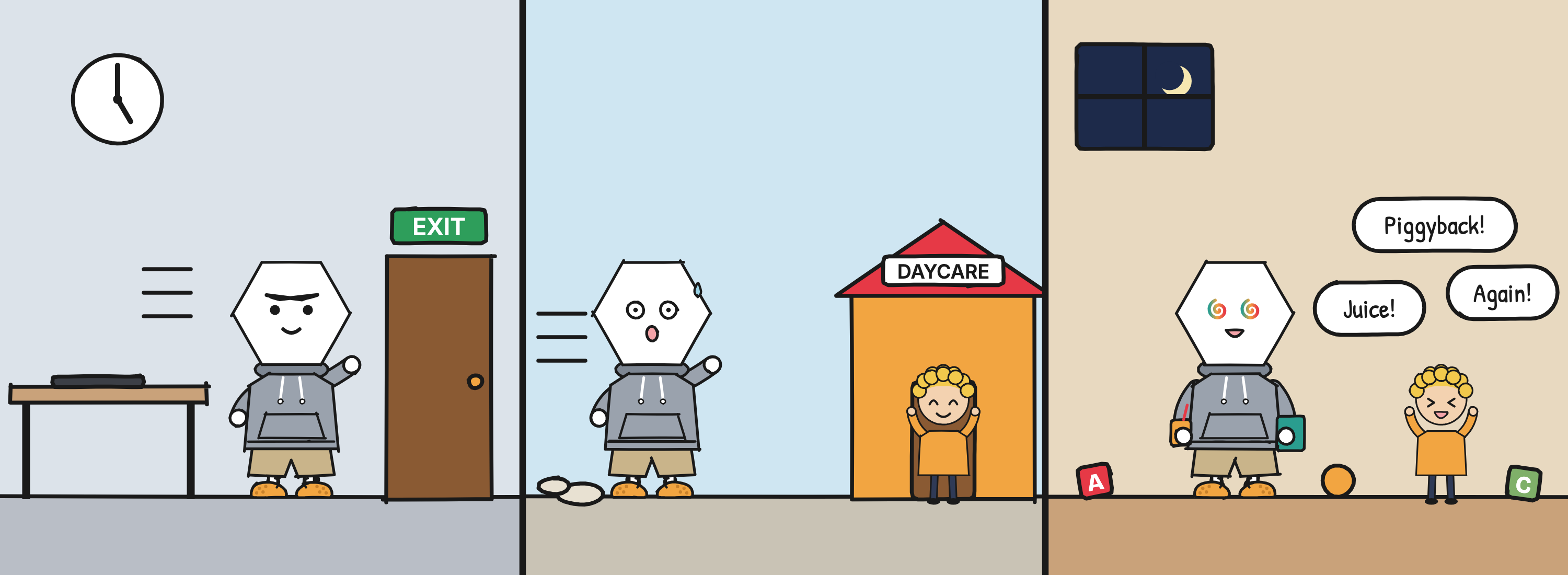
The film woke up a person in me that had gone into a deep sleep after I became a parent. And at the same time I already knew I couldn’t have his mornings. No slow weekend, no sitting with a quiet thought for a long time, no grinding coffee just because I felt like it. As soon as I left the office I had to pick my son up from daycare and go home, and then the second shift started. There was no room to be slow, or to notice every little thing around you. Unfortunately.
We’re in the AI era now. You don’t really need the time, or the slow research, to get into a niche anymore. Anyone can do it. So what you spend your hours on doesn’t set you apart the way it used to.
Everyone suddenly became a software developer, a game designer, a videographer, an influencer, a blog writer... I’m writing one of those right now, so I should probably stop listing. Spending your time on something just doesn’t stand out anymore.
A Turkish YouTuber I follow, Barış Özcan, made a video about this recently, in Turkish. He argues that AI isn’t making us dumber, it’s making us average. And he puts Hirayama, from Perfect Days, next to that idea: same days, every day, but nothing average, because he chose everything himself. He didn’t hand his dial to anyone.
So I thought maybe I could put a little intentional friction into some corners of my life. Just enough to enjoy a few moments, and maybe feel proud of myself in them, and feel like myself again. Fatih Arslan wrote about this, especially in the part called “When friction becomes good.” He was talking about something close to what I was trying to do.
Grinding your own beans doesn’t sound like a big deal. Try it when your meetings are five minutes apart and the office machine gives you coffee with one button. That button is the easy choice. Most of the time we press it because everything feels like it’s rushing, and actually it isn’t. We’re just tired, and we don’t want to do anything extra. I was there too.
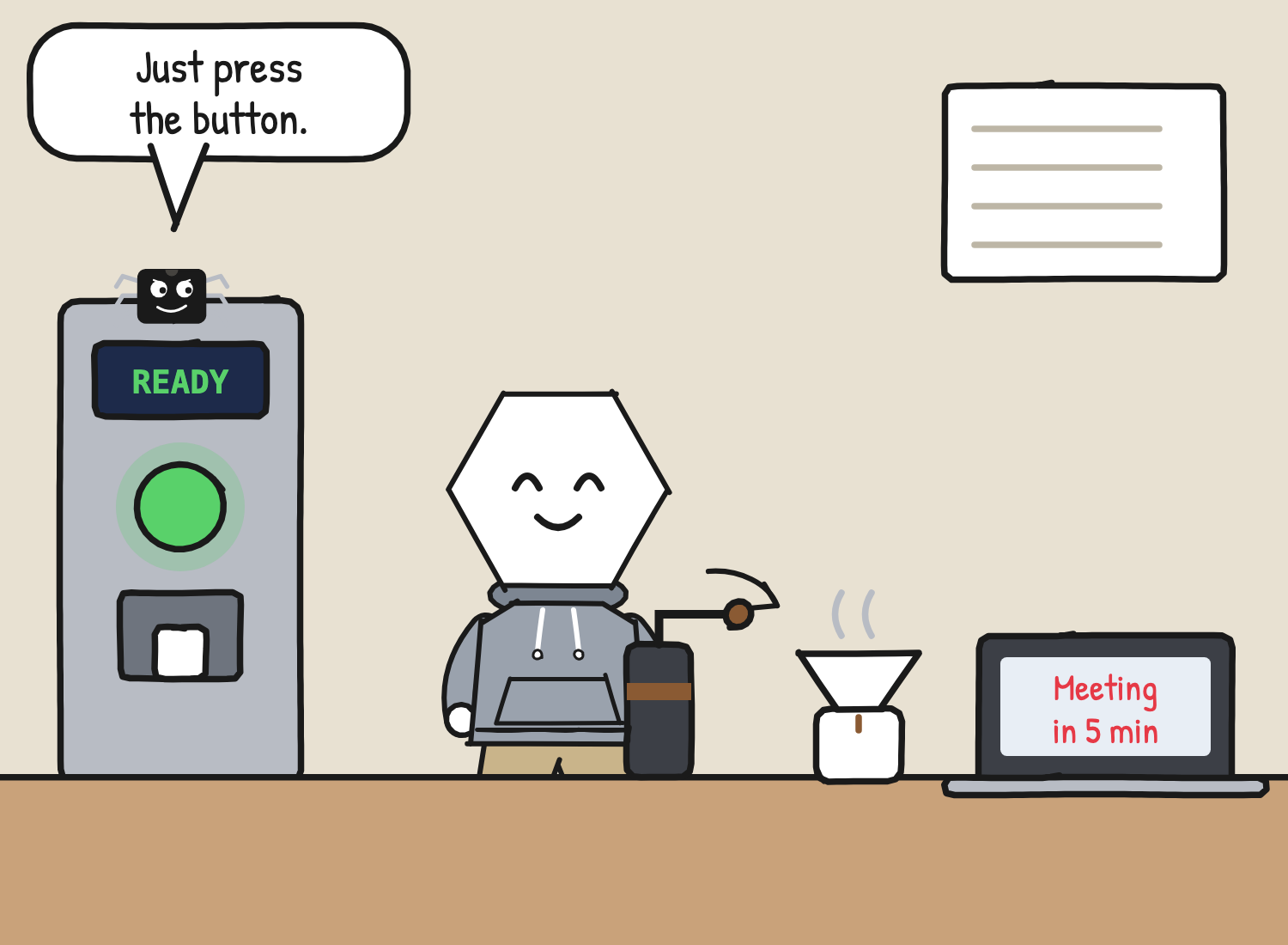
I had already bought a Comandante C40 at the end of 2023. It was sitting at home, a relic from slower days. After the film I brought it to the office, with a V60 and the rest of a pour-over kit, and made a small coffee corner on my desk. It wasn’t really about a tastier cup. It was about doing one thing by hand, on purpose, in my own little space, with my own rules. I also got a Leuchtturm notebook and a pencil. I’m still not great at writing on paper, but I’m working on it 😄
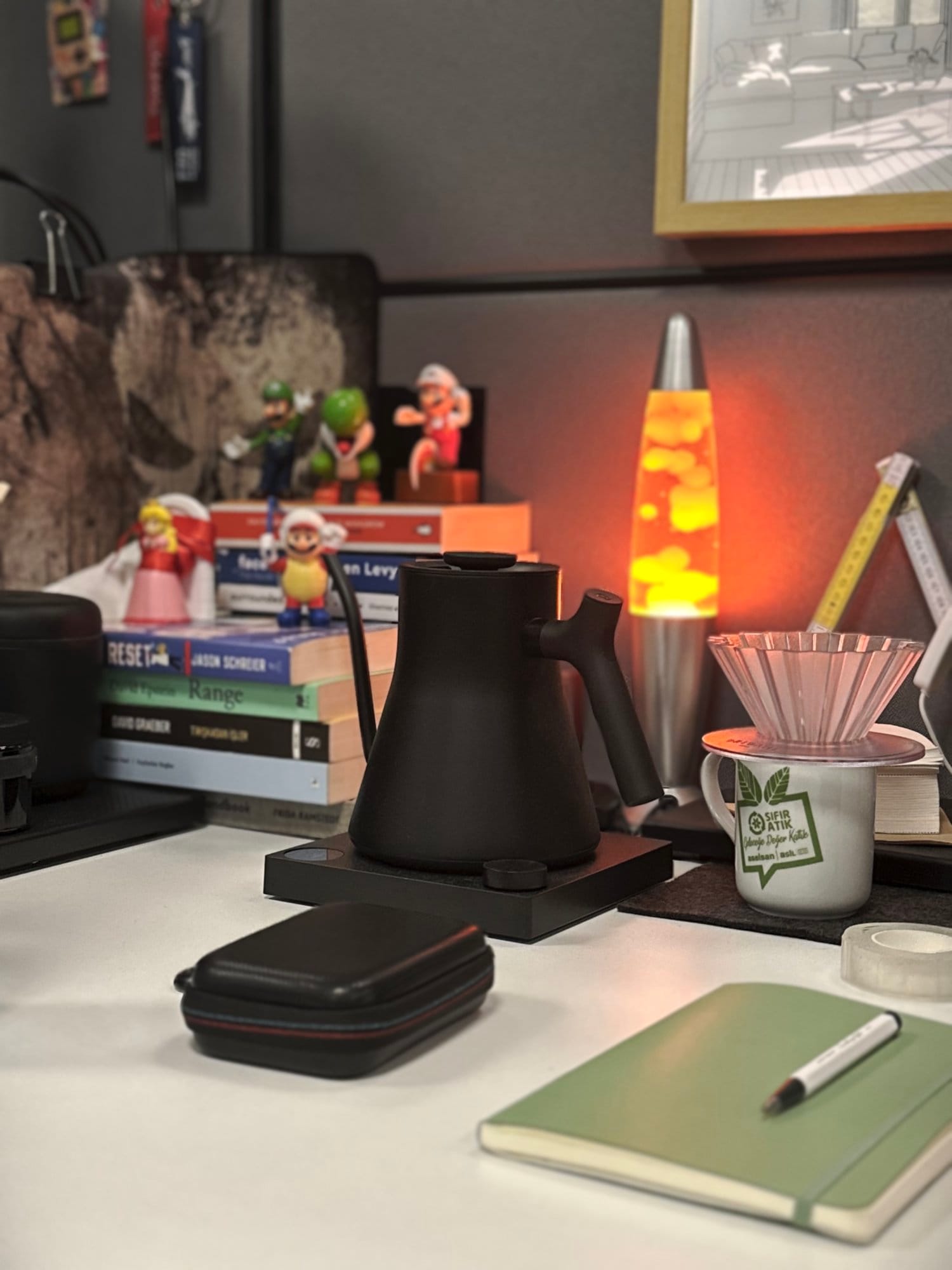
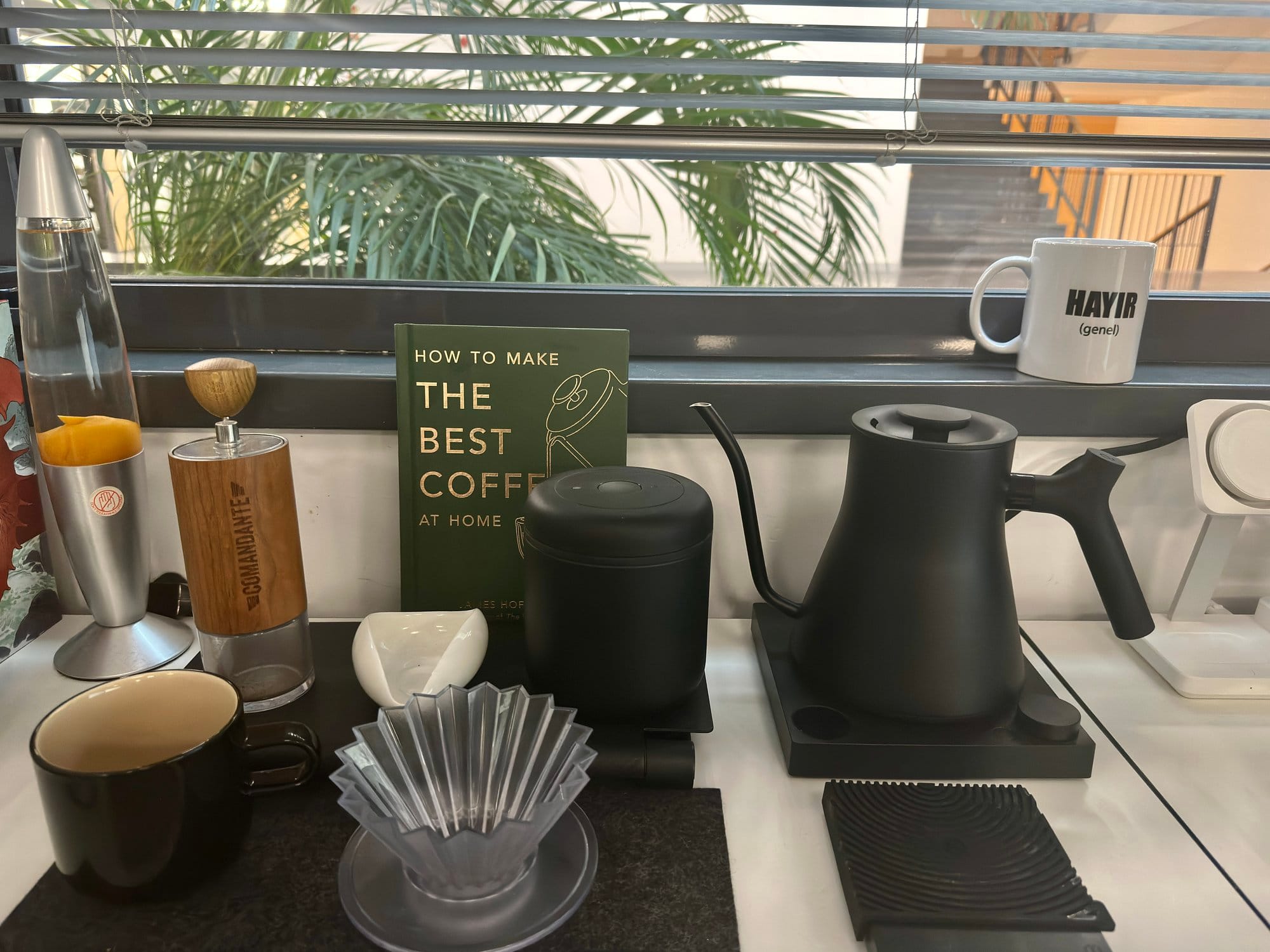
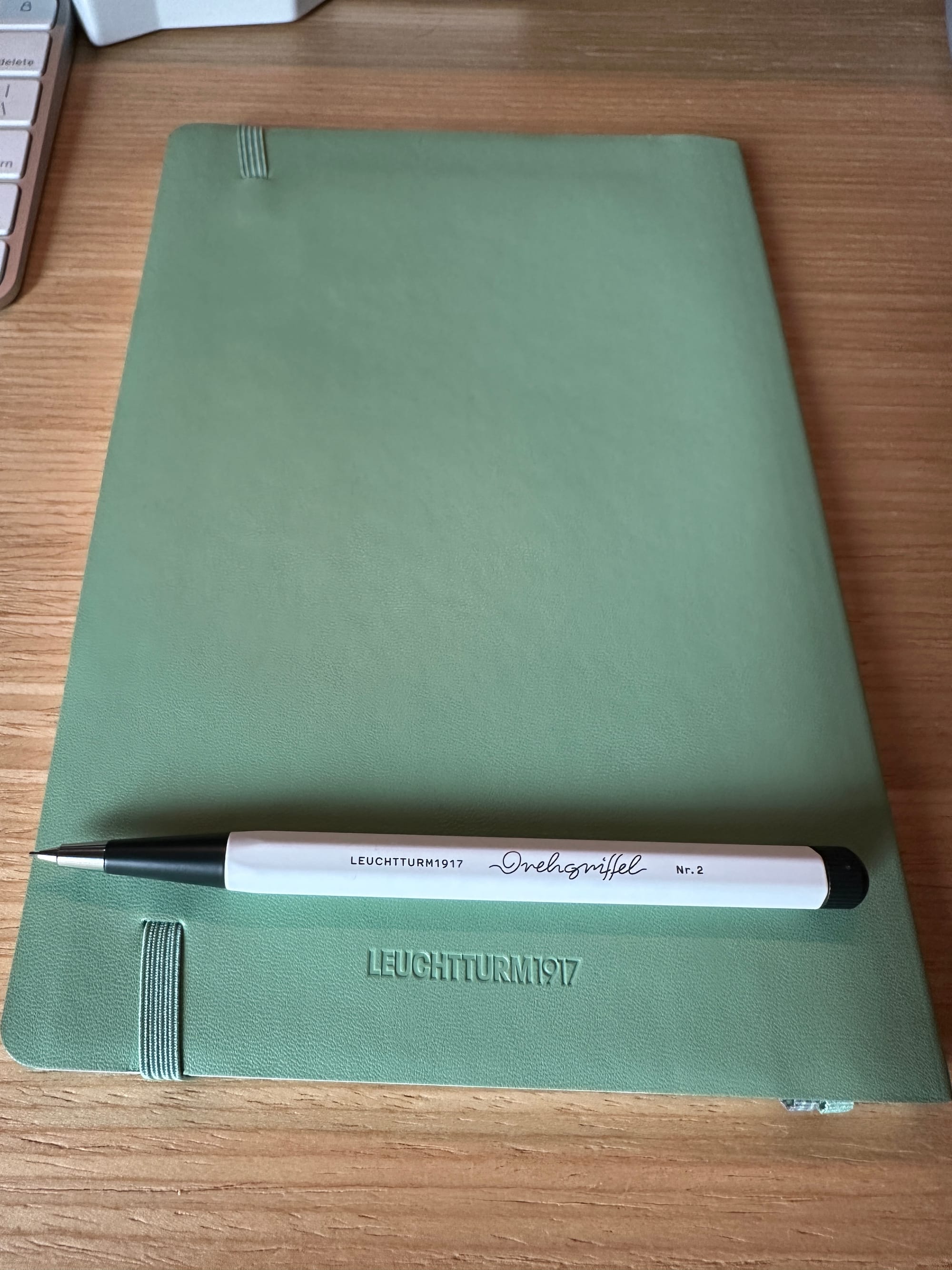
And not everything started with the film. Some of these things were already in my life, they were just sitting there, a bit stale. After I watched it, they started to make sense again. I started loving them more, because they made me feel a little like that earlier version of me.
I still listen to music through streaming, like most of us. Maybe one day I’ll go analog too. I sold the PS5 and the Xbox Series X, but I kept the Switch. I also got a few DS and 3DS consoles, with games in their original boxes, so I can just play them, instead of scrolling a digital catalog that some recommendation system is managing for me. It’s the same gesture as Hirayama putting a cassette into the radio in his van. You slide a card into a slot, and the game starts. No server in the background, no 100GB update, no internet at all. If you still game, you should try it at least once.
The keyboard was another one of those frictions I introduced on purpose, and I’m still grateful I did. I wrote about that keyboard journey before. I’m typing this on the same Corne I built in 2023.
I love photography, and I had a Sony A7C that I was very close to selling after the kids. Photo walking days became hard to fit in. Then I saw Hirayama photographing the same tree every lunch, just enjoying that, and I changed my mind. I even upgraded it to an A7C II. I can’t really put it into words. When I hold that camera, I feel awake. I feel like myself.
In August 2025 our daughter Bilge was born, and life got even fuller. My wife and I almost have no free time at all. We know these days are temporary, but I still can’t describe how high-tension they are, especially the weekends.
It’s so different from Hirayama’s life. Completely the opposite. I still keep that way of looking at things in the back of my mind, though, and I still try to make small spaces for it.
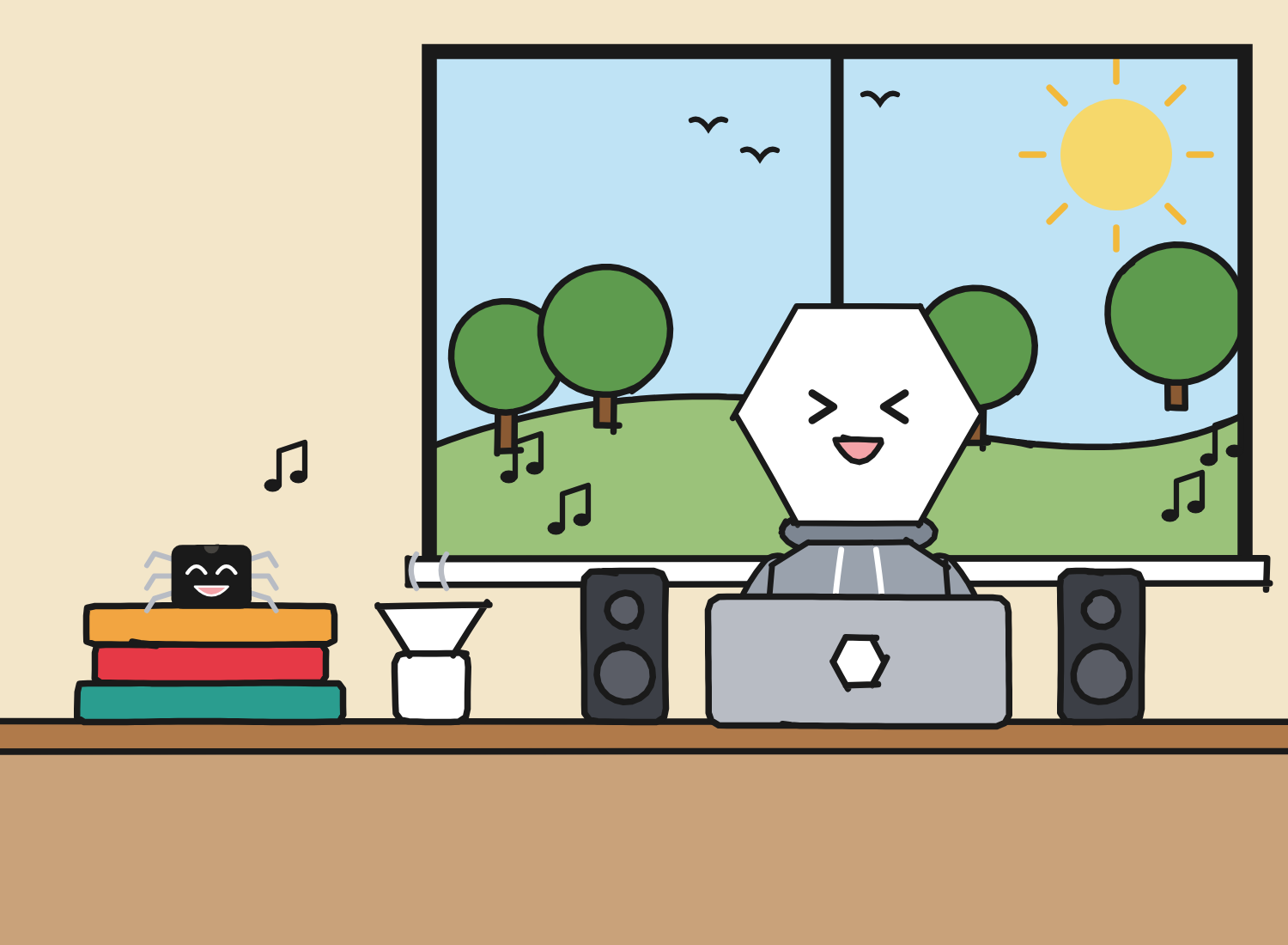
This year, in the middle of 2026, I left that job after five and a half years and joined a new company, a new domain, a new way of doing things. I’m excited, and grateful. I work from home now. I can open the window and hear the birds, or the rain, or kids playing and laughing outside. No office noise, no interruptions. Just some lo-fi in the background, a V60 on the desk, and this post.
Hirayama has a line for this: Kondo wa kondo, ima wa ima. Next time is next time, now is now.
The most important thing I took from the film, and the thing I’m trying hardest to care about, is not to miss my kids growing. I’m grateful I can see them whenever I want. I can leave a room, pick up my daughter, and watch her face change when she sees me, shouting “Ba Ba.” Or I can walk five minutes down the road to daycare, and my son runs toward me with his arms wide open and immediately starts telling me about his day, his little achievements, and sometimes the gossip.
Those occasions are my Komorebi.
When they grow a little more, maybe in two or three years, when we can do things together as a family of four, actually talk to each other and share what’s in our heads, I hope the days will start slowing down a little again. And those days... will be our Perfect Days.
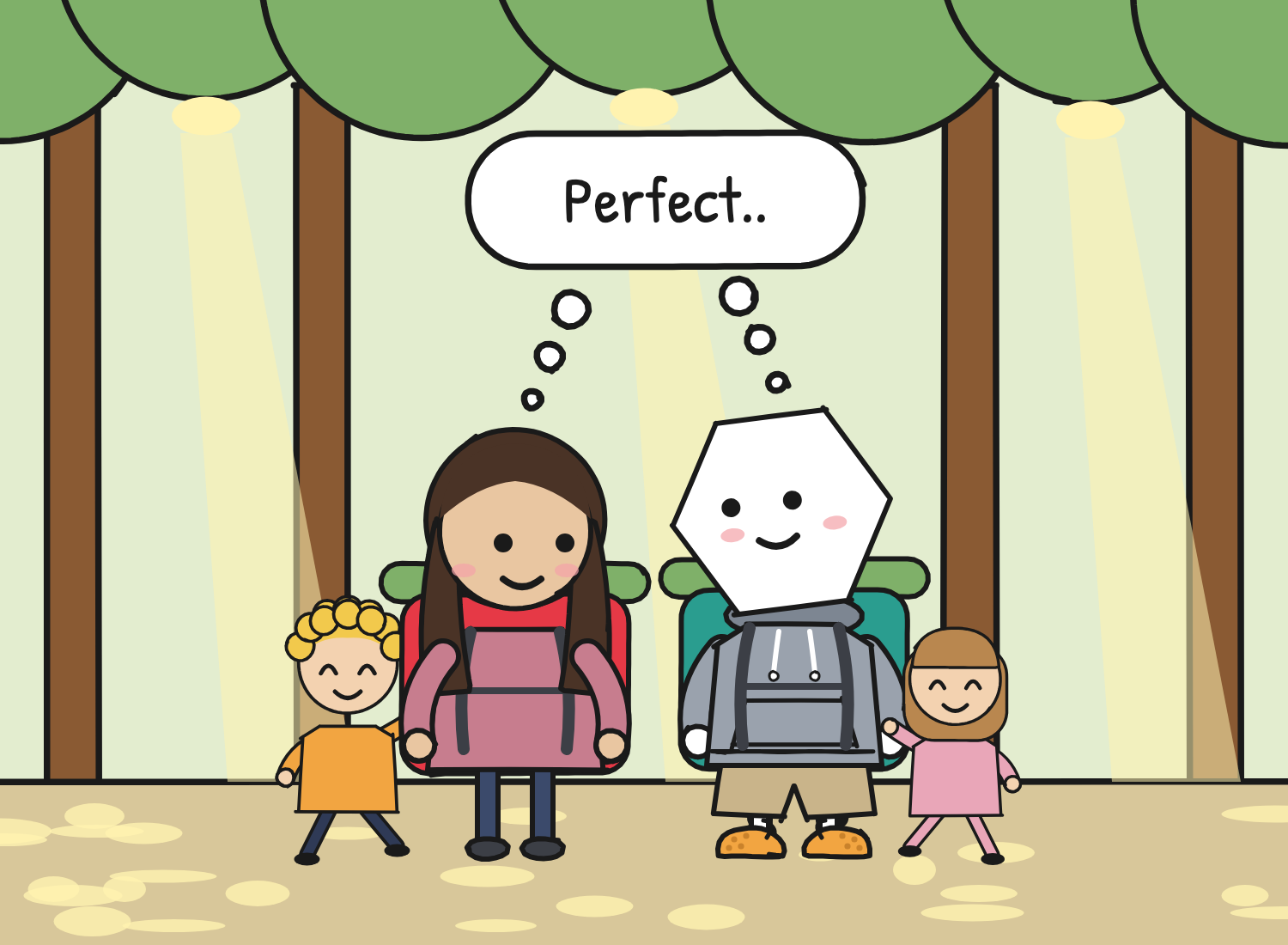
Komorebi (木漏れ日) is a Japanese word for the sunlight that filters through the leaves of trees, the play of light and shadow you only notice if you slow down. Hirayama photographs it every day in the film with his old film camera. The end credits define it as the shimmering of light and shadows created by leaves swaying in the wind, something that only exists once, at that moment.
No spam, no sharing to third party. Only you and me.